

Blue Catfish vs Channel Catfish: Key Differences for Anglers
Chase Big Catfish in Kentucky
Fish for blue and channel catfish with Mitchell Fort - book your trip today!
Published:
Updated:
Why Anglers Mix Up Blue and Channel Catfish
Blue catfish and channel catfish look alike at a glance. Both have smooth, scaleless skin, a forked tail, and whiskers around the mouth. Both bite bait readily, and both end up in the same coolers and the same photos. That overlap is why so many anglers use the names interchangeably when they are talking about a day on the water.
The two species are not the same fish, though. They grow to different sizes, they favor different kinds of water, and they can call for a slightly different approach once the rod is in your hands. Knowing which one is on the line helps you read the day, set realistic expectations, and handle the fish properly.
Mitchell Fort Fishing runs trips built around blue and channel catfish out of Hopkinsville, KY, so the comparison below comes from the same angle an angler faces on a boat: what am I looking at, and how do I fish for it?
How to Tell Them Apart by Sight
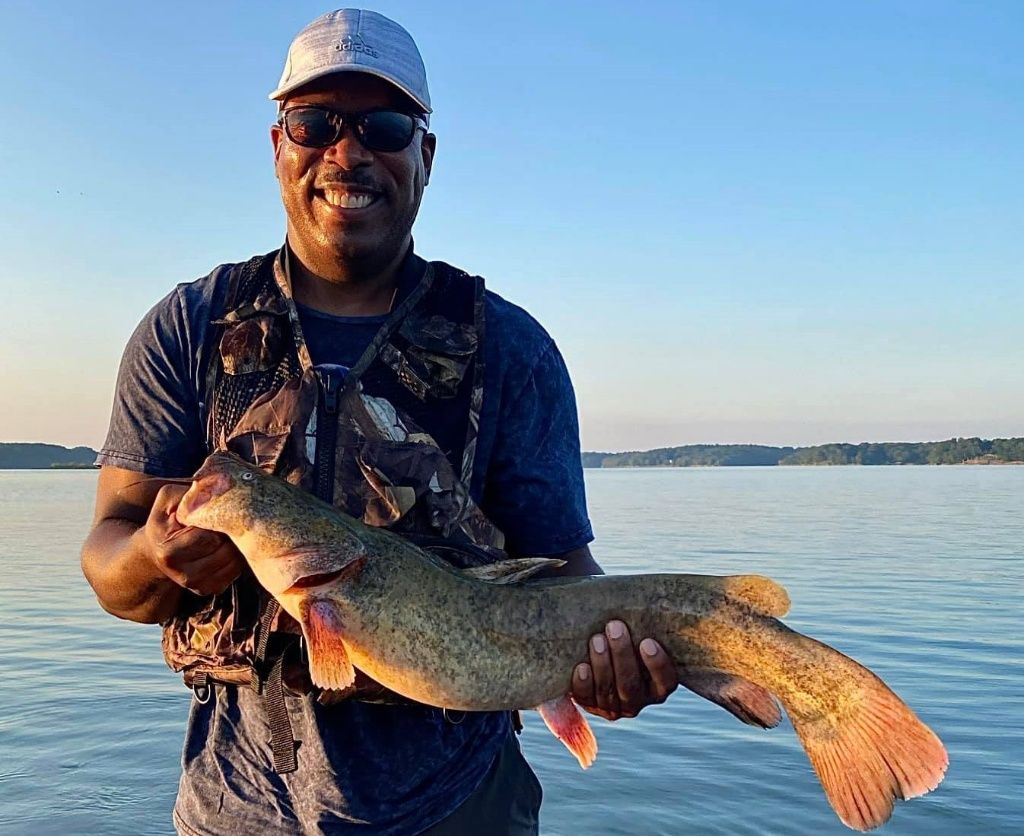
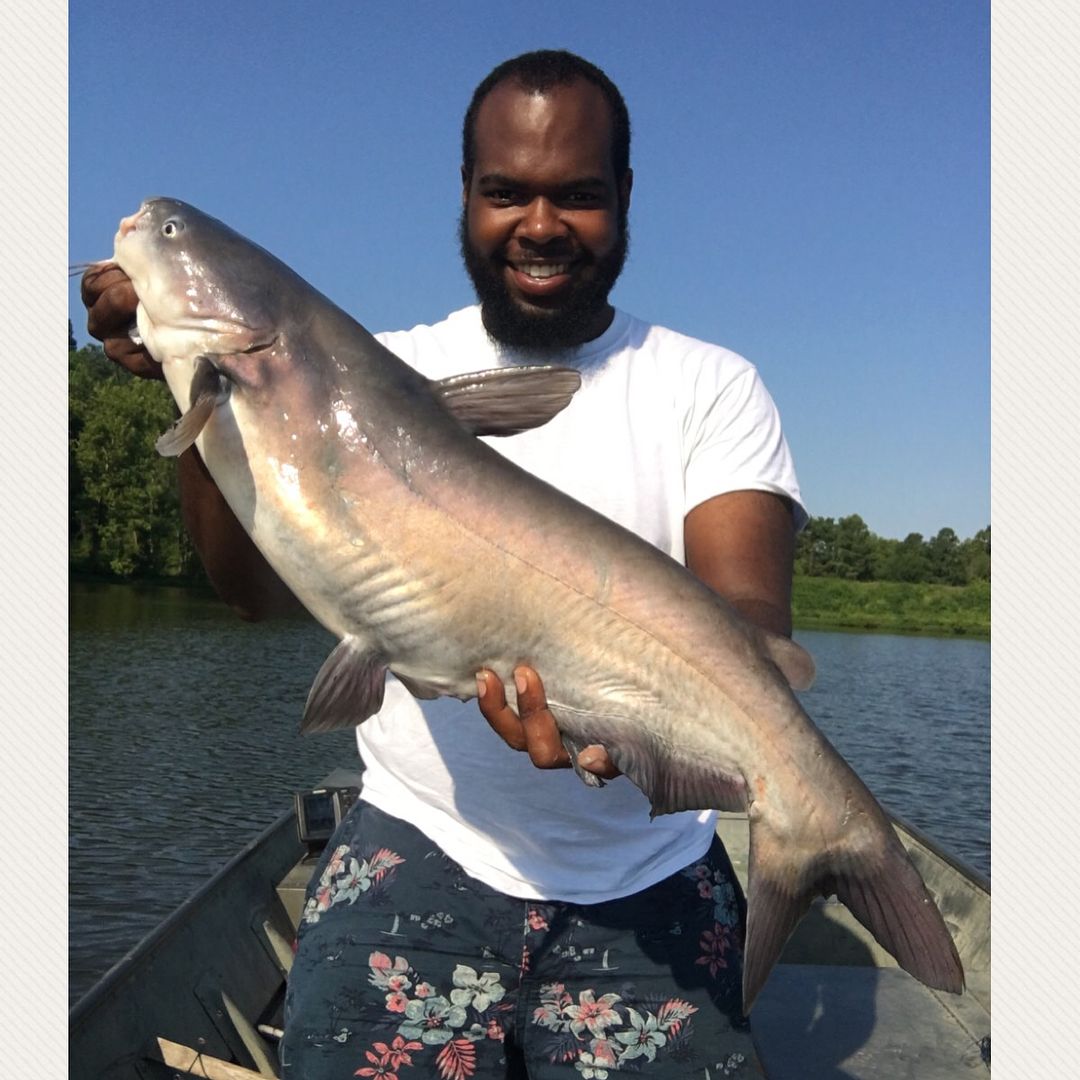
The fastest check is the anal fin, the fin on the underside near the tail. A blue catfish has a long, straight-edged anal fin with a lot of rays. A channel catfish has a shorter, rounded anal fin. Once you have seen the two side by side, the difference is easy to spot even on a wet, wriggling fish.
Body shape and color help too. Blues tend to have a more slab-sided, wedge-shaped body with a smooth, slate-gray to bluish color and no spots. Channel cats are usually slimmer, with a more olive or silvery tone, and many carry scattered dark spots along the sides. The spots tend to fade on larger, older channels, so do not rely on them alone.
Here is a quick checklist to run through when you are holding an unfamiliar catfish:
- Anal fin: long and straight means blue, short and rounded means channel.
- Spots: dark scattered spots point toward a channel, though big older fish can lose them.
- Body: a heavy, humped shoulder and wedge shape leans blue, a leaner build leans channel.
- Tail: both are forked, but the channel's fork is usually deeper and more pronounced.
No single clue settles it every time. Check two or three together and you will rarely be wrong.
Size and General Behavior
Blue catfish are generally the bigger of the two species. They are built to grow large, and anglers often chase them for exactly that reason. Channel catfish usually run smaller, but they are plentiful and tend to be the more common fish in the cooler. A trip that targets both gives you a shot at each kind of fight.
Behavior differs in broad strokes. Blue catfish are often associated with open, larger bodies of water, where they can roam and feed over more area. Channel catfish are more adaptable and turn up in a wider range of settings. Both are opportunistic feeders that will take a range of baits, which is part of why catfish fishing suits so many skill levels.
Keep in mind that these are general tendencies, not rules. Where a fish sits on a given day depends on conditions, time of year and what the water is doing. A good guide reads those signs on the spot rather than leaning on a fixed pattern.
Targeting Each Species
The basics carry across both fish. You are looking for fish that are feeding, which means paying attention to where bait is moving and where the water gives catfish a reason to hold. Fresh, natural bait is the usual starting point for catfish in general, and patience counts for more than flash.
Where the two diverge is in what you are hoping for. If you want a heavy fish that pulls hard and tests your gear, you are leaning toward blues. If you want steady action and a good chance of regular bites, channels often deliver that. Many anglers plan a day that covers both and adjust as the fish respond.
Tackle and line strength should match the biggest fish you might hook, not the average one. Catfish can surprise you, and an underpowered setup turns a good bite into a lost fish. If you are new to this, fishing alongside someone who knows the water shortens the learning curve a great deal.
Fishing for Both With a Guide
Mitchell Fort guides on Kentucky Lake, Lake Barkley and Lake Blythe, and he offers several trips centered on blue and channel catfish. Some are built for building skills while you target the fish. Others give you more time working the water. Each one is a freshwater lake trip, so you can pick the pace that fits you.
A guided day is a useful way to see the differences described above in person. You get to handle the fish, compare the fins and body shape, and ask questions while the rod is bent. For anglers who read about catfish but have not caught many, that hands-on view is worth more than any chart.
If catfish are your focus, look at the trips listed under blue and channel catfish. If you want a lighter day on the water, Mitchell also runs panfish trips for bluegill and crappie, so there is an option for different moods and different groups.
Handling and Releasing What You Catch
Catfish have sharp spines on the pectoral and dorsal fins, so handle them with care. Hold the fish firmly behind the head and avoid squeezing the belly. Wet hands and a quick, calm release protect both the fish and your fingers.
Take a moment to identify the fish before you decide what to do with it. Knowing whether you have a blue or a channel makes a difference to how you talk about the catch, how you compare it with past trips, and how you plan the next one. It also makes the story better when you tell it back home.
